
Recent Posts
Wall Sawing vs. Wire Sawing: Choosing the Right Diamond Cutting Method
November 21, 2026
How Diamond Blades Make Precision Concrete Cutting Possible
November 21, 2026 Concrete is one of the most demanding materials a cutting tool encounters. Dense, abrasive, often reinforced with steel, it resists cutting in ways that would destroy a conventional blade within minutes. The solution that changed how concrete work gets done professionally isn’t a sharper blade or a more powerful saw. It’s a fundamentally different approach to how cutting happens.
Diamond blades for concrete cutting don’t cut the way conventional blades do. Understanding why changes how you think about the tool and how you use it.
How Diamond Blades Actually Work
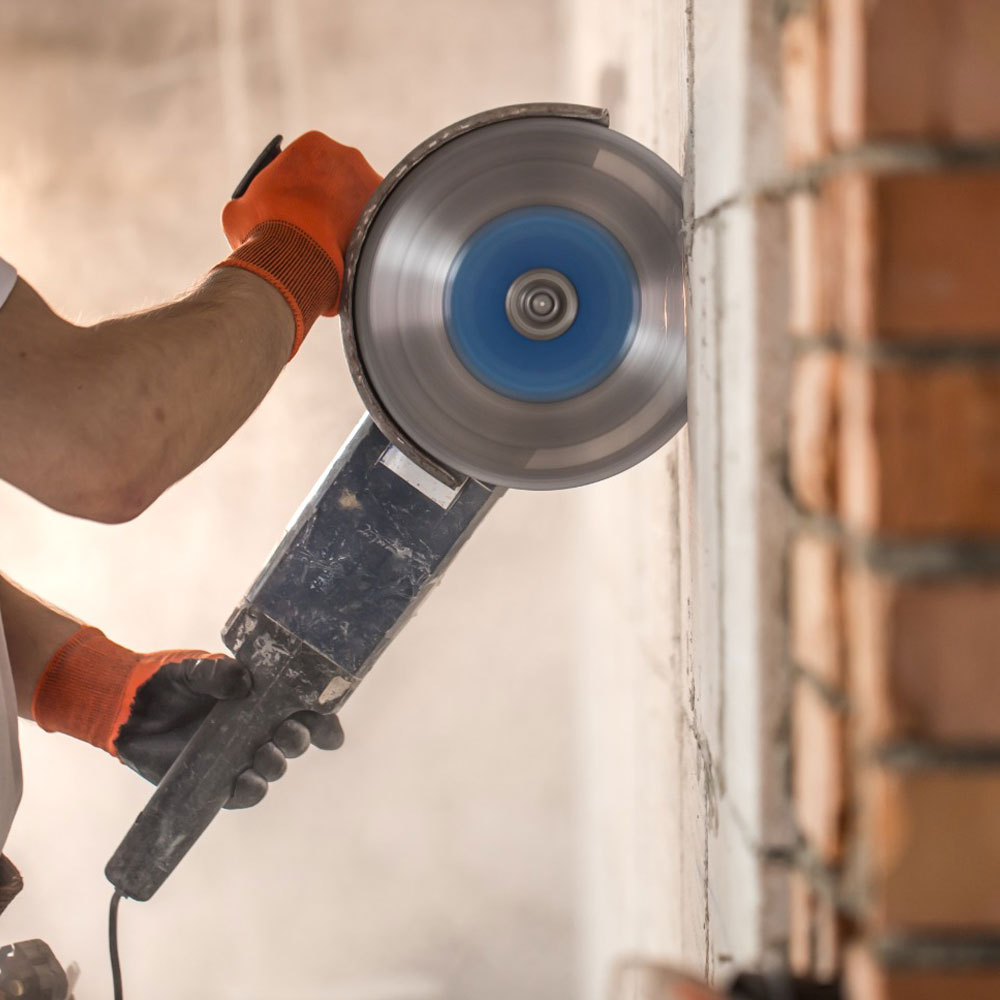
A diamond blade doesn’t have teeth in the conventional sense. It has segments, the raised sections around the blade’s rim, embedded with industrial diamonds bonded into a metal matrix. Those diamonds are the hardest material on earth, and when the blade rotates at speed, they grind through concrete rather than slicing it.
As the diamonds wear down and dull, the metal matrix around them wears away slightly, exposing fresh diamond crystals beneath. This self-sharpening property is what gives a quality diamond blade for concrete cutting its extended working life; the blade stays effective as it works rather than progressively dulling the way conventional abrasive blades do.
Why Precision Becomes Possible
Precision in concrete cutting isn’t just about making a straight line. It’s about controlling depth, managing where the cut goes in relation to reinforcement, minimizing the material that needs to be removed, and producing a clean edge that doesn’t require significant remediation afterward.
Diamond blades deliver this precision because the grinding action is consistent and controllable. The blade doesn’t grab, skip, or deflect the way less appropriate tools do. Combined with a properly set-up saw, experienced hands, and the right blade specification for the concrete being cut, the result is cuts that land exactly where they’re supposed to.
For projects where adjacent structures need to be preserved, where utility lines run close to the cut line, or where the finished edge will be visible in the final work, precision isn’t optional. It’s the requirement the tool is chosen to meet.
Wet Cutting and Heat Management
Concrete cutting generates significant heat and dust. Diamond blades for concrete cutting are typically used wet; water is applied continuously to the cut line to cool the blade, suppress dust, and remove the fine concrete slurry that the grinding action produces.
Wet cutting extends blade life, improves cut quality, and keeps the working environment safer. Dry cutting is possible with blades specifically designed for it, but it demands more conservative operating technique to manage heat buildup.
Concrete Cutting UAE operates with professional-grade diamond blade equipment across the full range of concrete cutting applications, from floor sawing and wall sawing to core drilling, bringing the precision that the tool is capable of to projects that require it.
Conclusion
Diamond blades for concrete cutting are the reason precision concrete work is possible at the scale and speed modern construction demands. The tool’s self-sharpening properties, consistent cutting action, and adaptability across different concrete types and conditions make it the professional standard, not because there’s no alternative, but because nothing else comes close to what it delivers.
FAQs
How long does a diamond blade last on a typical concrete cutting project?
It depends on the hardness of the concrete, whether cutting is done wet or dry, and the blade specification.
Can the same diamond blade be used for all types of concrete?
Different blade specifications are optimized for different concrete types. Hard, dense concrete requires a blade with a softer bond matrix that wears away faster to expose fresh diamonds. Softer concrete needs a harder bond.